Ron Paul Calls for the audition of the Federal Reserve :
Part 1 of 2 :
Part 2 of 2 :
PETER SCHIFF
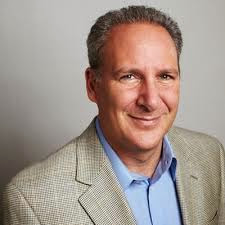
Friday, April 24, 2009
Peter Schiff on Fox Business News End The FED Rally in New York 24 04 2009
Peter Schiff on Fox BN End The FED Rally in New York 24 04 2009

The Lew Rockwell Show hosts Peter Schiff - April 24 2009
Peter Schiff why the Price of the gold will go up ," there is no difference between our dollar and the Zimbabwe dollar " The Dollar will eventually collapse , Wiemar Germany also was an industrial country.......
The Alternative to Spending More
By Daniel Hannan MEP
Is there anything - anything at all - that might convince world leaders that they shouldn't respond to the credit crunch by spending more? It may seem common sense that you can't borrow your way out of debt: we all apply that principle to our household budgets. But, since the financial crisis began, states increased their spending despite the plain evidence that stimulus packages have done nothing to ward off the recession.
On most measures, it hasn't worked: the downturn has happened anyway, but we are now drifting into it with an additional debt burden. The trouble is that, politically, stimulus packages take on their own momentum. Leaders cannot go back to their voters and sheepishly admit that the money has been wasted. They have to pretend that they are almost there, that another billion dollars will do the trick. And so, like rogue traders, they end up doubling and doubling in an attempt to move the market.
What's the alternative to spending more? How about this: not spending more. The phrase "doing nothing is not an option" is one of the most pernicious in the political lexicon, and is almost never true. By way of illustration, ponder the way in which New Zealand dealt with an earlier banking crisis two decades ago.
New Zealand was the first major country to withdraw all subsidies from its agricultural sector - a reform that was hugely controversial at the time, but that almost no one now wants to reverse. When the grants were terminated, land values fell, and many Kiwi farmers found themselves in negative equity. The bankers approached the government to demand a bail-out. The government declined to involve itself. The bankers tried again, insisting that, if the state didn't step in, there would be a financial collapse. Ministers politely told them that this was their problem.
Result? The bankers realised that it was their problem. Well aware that the last thing they needed was a series of repossessions and auctions, they allowed farmers to reschedule their mortgage payments. The crisis was averted and, sooner than expected, land prices recovered. It's what economists call "spontaneous order".
The point is that, had the government given in to pressure, it would almost certainly have triggered the collapse that it hoped to avert.
Sadly, it's a brave politician who argues, in a crisis, against state activity. The natural advantage will always lie with the Something Must Be Done crowd. But there are few crises so severe that they cannot be exacerbated by government intervention. I leave you with the words of that most conservative of Conservatives, the third Marquess of Salisbury, spoken about the Bulgarian Crisis of the 1880s, but capable of much wider application: "If anything happens, it will be for the worse, and it is therefore in our interest that as little should happen as possible."
Daniel Hannan's daily blog is hosted by the London Daily Telegraph: www.hannan.co.uk
Is there anything - anything at all - that might convince world leaders that they shouldn't respond to the credit crunch by spending more? It may seem common sense that you can't borrow your way out of debt: we all apply that principle to our household budgets. But, since the financial crisis began, states increased their spending despite the plain evidence that stimulus packages have done nothing to ward off the recession.
On most measures, it hasn't worked: the downturn has happened anyway, but we are now drifting into it with an additional debt burden. The trouble is that, politically, stimulus packages take on their own momentum. Leaders cannot go back to their voters and sheepishly admit that the money has been wasted. They have to pretend that they are almost there, that another billion dollars will do the trick. And so, like rogue traders, they end up doubling and doubling in an attempt to move the market.
What's the alternative to spending more? How about this: not spending more. The phrase "doing nothing is not an option" is one of the most pernicious in the political lexicon, and is almost never true. By way of illustration, ponder the way in which New Zealand dealt with an earlier banking crisis two decades ago.
New Zealand was the first major country to withdraw all subsidies from its agricultural sector - a reform that was hugely controversial at the time, but that almost no one now wants to reverse. When the grants were terminated, land values fell, and many Kiwi farmers found themselves in negative equity. The bankers approached the government to demand a bail-out. The government declined to involve itself. The bankers tried again, insisting that, if the state didn't step in, there would be a financial collapse. Ministers politely told them that this was their problem.
Result? The bankers realised that it was their problem. Well aware that the last thing they needed was a series of repossessions and auctions, they allowed farmers to reschedule their mortgage payments. The crisis was averted and, sooner than expected, land prices recovered. It's what economists call "spontaneous order".
The point is that, had the government given in to pressure, it would almost certainly have triggered the collapse that it hoped to avert.
Sadly, it's a brave politician who argues, in a crisis, against state activity. The natural advantage will always lie with the Something Must Be Done crowd. But there are few crises so severe that they cannot be exacerbated by government intervention. I leave you with the words of that most conservative of Conservatives, the third Marquess of Salisbury, spoken about the Bulgarian Crisis of the 1880s, but capable of much wider application: "If anything happens, it will be for the worse, and it is therefore in our interest that as little should happen as possible."
Daniel Hannan's daily blog is hosted by the London Daily Telegraph: www.hannan.co.uk
Peter Schiff Wall Street Unspun 22 Apr 2009
you can also listen to the audio of WSU ,there is a widget on the right of this website where are posted the WSU podcast and previous episodes as well :
part 1 of 6 :
Part 2 of 6 :
Part 3 of 6 :
Part 4 of 6 :
Part 5 of 6 :
Part 6 of 6 :
part 1 of 6 :
Part 2 of 6 :
Part 3 of 6 :
Part 4 of 6 :
Part 5 of 6 :
Part 6 of 6 :
Subscribe to:
Posts (Atom)
Popular Posts This Month
-
A very strong debate yesterday on MSNBC between Peter Schiff and the host on the Ed show on two major topics the healthcare reform and the s...
-
Here are some of Peter Schiff's Quotes , Please feel free to post more , and I'll make sure to add them to this list ...let's ma...
-
government created jobs like the census jobs are counterproductive and unproductive jobs ... Peter Schiff is considering to run for Senate !...
-
President Obama delivers his weekly address to the nation announcing many cuts in the federal budgetWhat do you guys Think of this ???
-
Peter Schiff The Crisis Has Just Begun
-
Peter Schiff The Schiff Report Video Blog May 04 2009 The Stocks are rising is it a recovery ? or is it just a bubble economy waiting to bur...
-
as you may have noticed it this morning many blogs hosted on blogger including mine were reporting this strange Error bX-r1ezpk ... fortuna...
-
Peter Schiff : We need to have a Massive Recession and Peter Schiff: Why College Tuition Is So Expensive Lessons from the Crisis: The Limits...
-
The more we owe, the wealthier we are ??? Congressman Pete Stark reacts to national debt Watch Congressman Pete Stark reacting when Jan Helf...

